by Aqueene Wilson
When a woman is in remission, the world around her moves on. Titles like ‘healthy’, ‘in the clear’, ‘resilient’, ‘cancer-free’, direct support systems to stop supporting. They create this false narrative that all is well and overshadow the new and complex realities of life post cancer. But it’s never all rainbows and sunshines and it definitely isn’t as linear or perfect as we wish it to be. However, as soon as the fear of death has left the building, we automatically assume that everything will go back to what once was. That despite the overwhelming health challenges, we secretly hope to return to our undiagnosed selves or that of others. But if that is the case, when do we hold space for a whole reality? Where is there room to acknowledge the ongoing survival and not just the fleeting victory of remission? And how do we shift from celebrating a ‘return’ to celebrating the resilience of navigating a ‘new’ existence?
We simply don’t, all we do is honor half truths and misleading myths. So let this be my attempt to embrace all, as Nicole Henrietta shares her story yet again; raw, unfiltered and in remission.
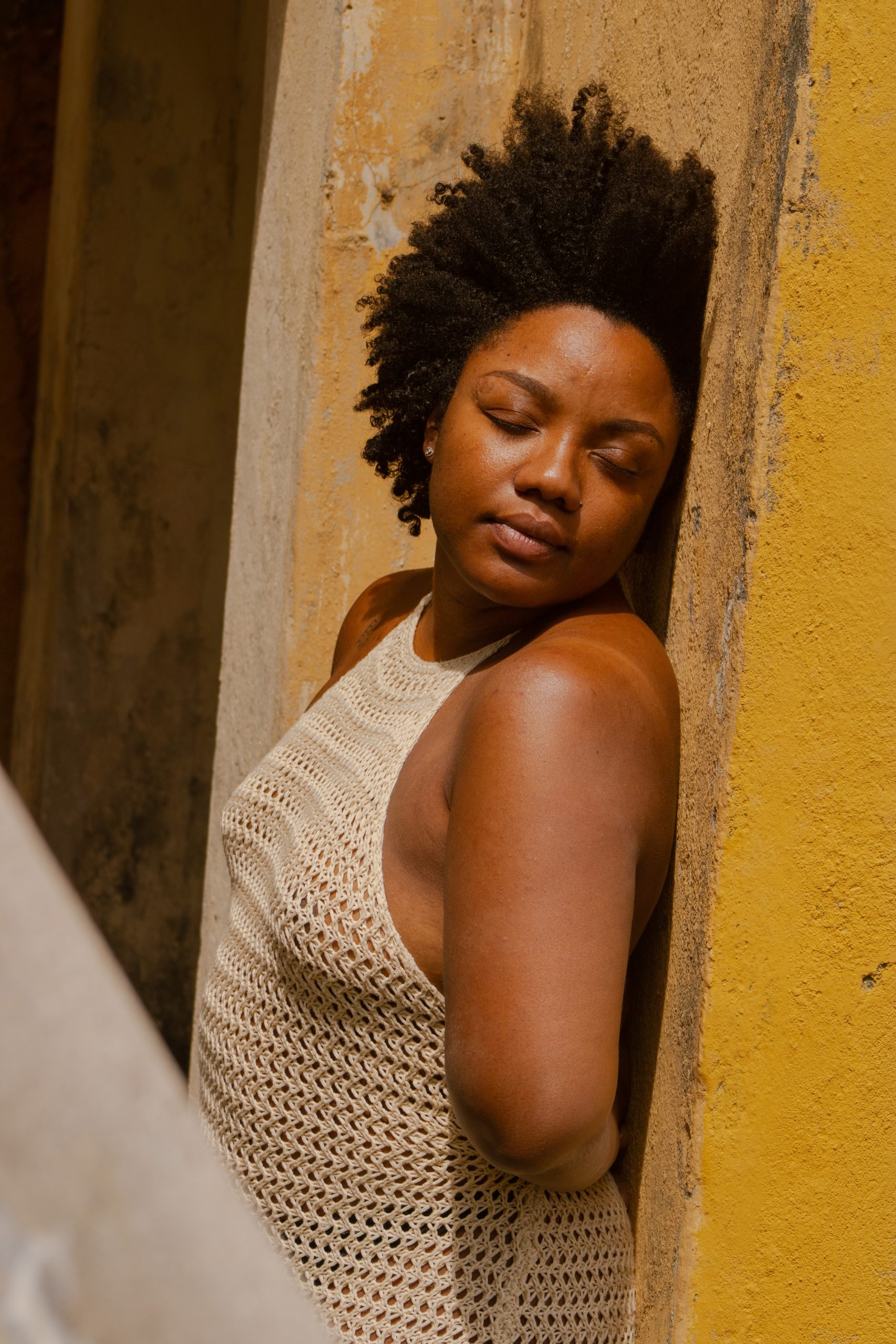

It has been a few years already since Nicole’s first diagnosis and she is doing her thing now. From work to studying, she is a walking victory. But don’t be mistaken by the image of normalcy, because a lot has changed. When I sat down with her she openly shared how her life is different now. ‘You will never return to your old self, you need to mourn her’, she states. ‘I suffered nerve damage from the chemo and now I feel this tingling feeling in my toes and hands. The pain often wakes me up at night or even when I write too much for a long time.’
She also revealed her experiences with fatigue and having a ‘chemo brain’ . The latter is a common way for patients and survivors to describe problems with thinking and memory loss. For Nicole it meant that she couldn’t ‘keep up with the pre-cancer to-do list. At least not every day’. And these are just a few of her ‘invisible struggles’.
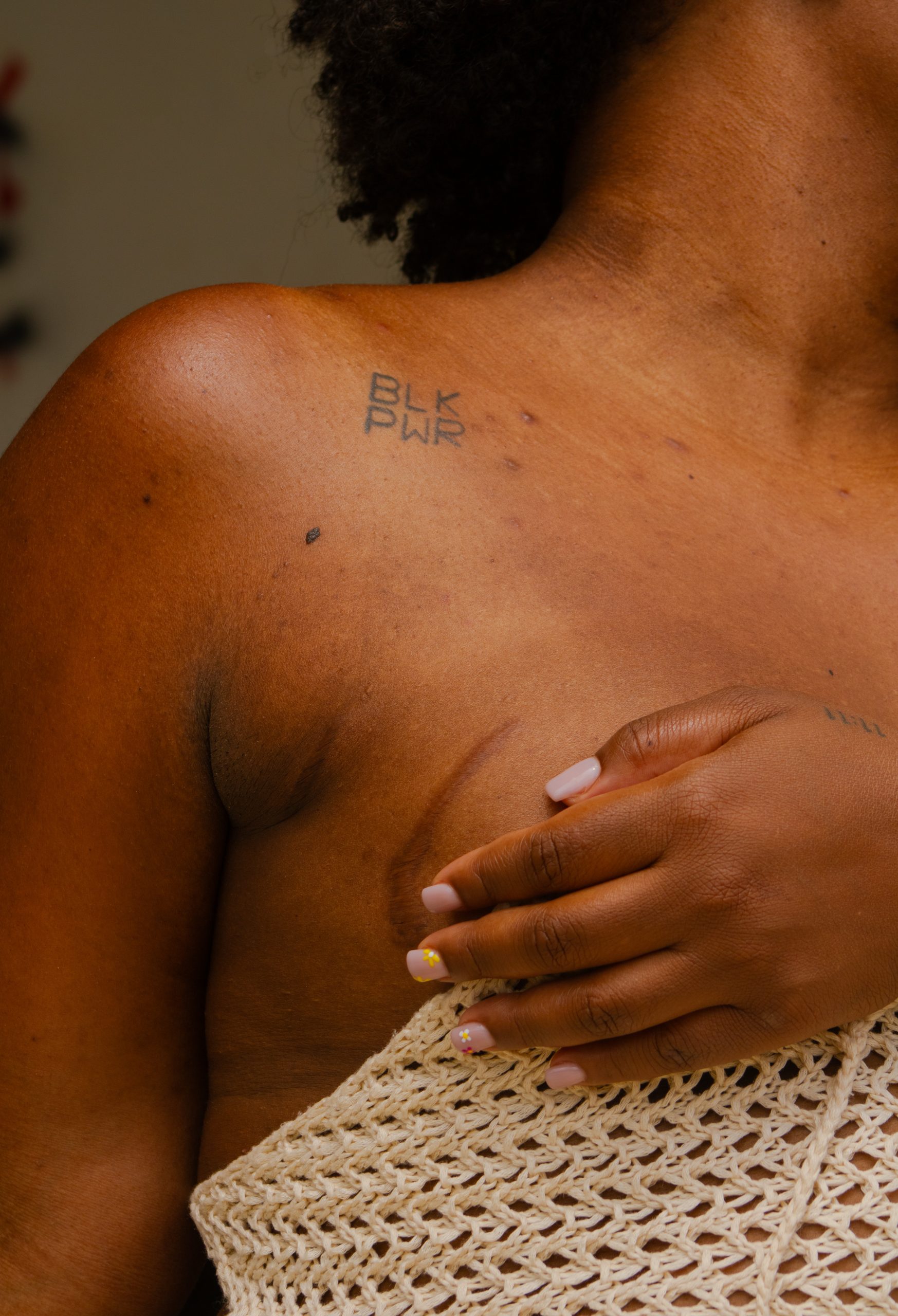
It simply goes to show that naturally bouncing back is really a myth that we need to dismantle quickly. The narrative of living life post-cancer with no lasting effects, no lingering anxieties, no residual physical or emotional challenges is quite unrealistic. Even within nurturing ecosystems, passed time and through authentic recovery processes, the echoes of cancer may always linger on. So it’s not about returning to one’s original state, instead life in remission is about resilience and adapting to a new wave of change. For some it may include reconstruction, for others it involves ‘rocking their scars’, but in general remission asks for a radical practice of acceptance. Acceptance of a body that may feel different, of energy levels that fluctuate, of anxieties that pop up, and of a future that may feel uncertain.
The interesting thing is though, that when most people get the full scope of the struggles survivors go through they are shocked and they can’t say ‘wow, you’re so strong’ soon enough. ‘But what does that mean? All the ugly crying, not knowing what to do, how to act, how to keep faking it….is that also being strong?’ Nicole asks. And those are valid questions to ask. I mean what does it actually mean to be strong? Our collective reliance on strength is really a slow death to all of us, if I say so myself. And I say this solely because it often doesn’t include our messy truths. It doesn’t entertain the ebbs and flows of life and denies us the spaces to be soft, ugly, scared, tired, expressive, vulnerable, authentic and real.
And while this counts for everyone, Black women really have an intensified experience of this. For centuries long they have been cornered and conditioned to hold in their emotions to avoid appearing weak. The ‘strong Black woman’ stereotype portrays Black women as inherently strong, slowly tying our identities to silent hardship with the consequence of having to cope, manage and endure all that life throws at us alone.. Unfortunately, this doesn’t change when a Black babe is sick, let alone in remission. In fact, where cancer patients often get ‘showered with love and affection during therapy, everybody continues with their lives once it’s over’. And this is directly translated in the media. There really is a lack of representation on Black survival stories. Nicole had spent so much time googling images and stories of survivorship, but the result was disappointing. She goes;
‘ I actually wanted to see Black women that not only survived, but went through the same as me. I wanted to see Black people without hair and eyebrows, with chemo hair, with chemo symptoms. But I didn’t find any images of chemo hair on Black people. Chemo hair is the hair that grows back after you finish the “red devil” chemo therapy. For white people, it looks like curly hair. For Black people with curly or coarse hair, it looks like thin baby hair. I finally had people here on the island tell me not to worry because my curls would come back. And they did after 12 months. But it was a whole year of not really knowing and just hoping that my hair would get out of this chemo hair phase’.
Join Our New Facebook Group for Empowerment and Connection
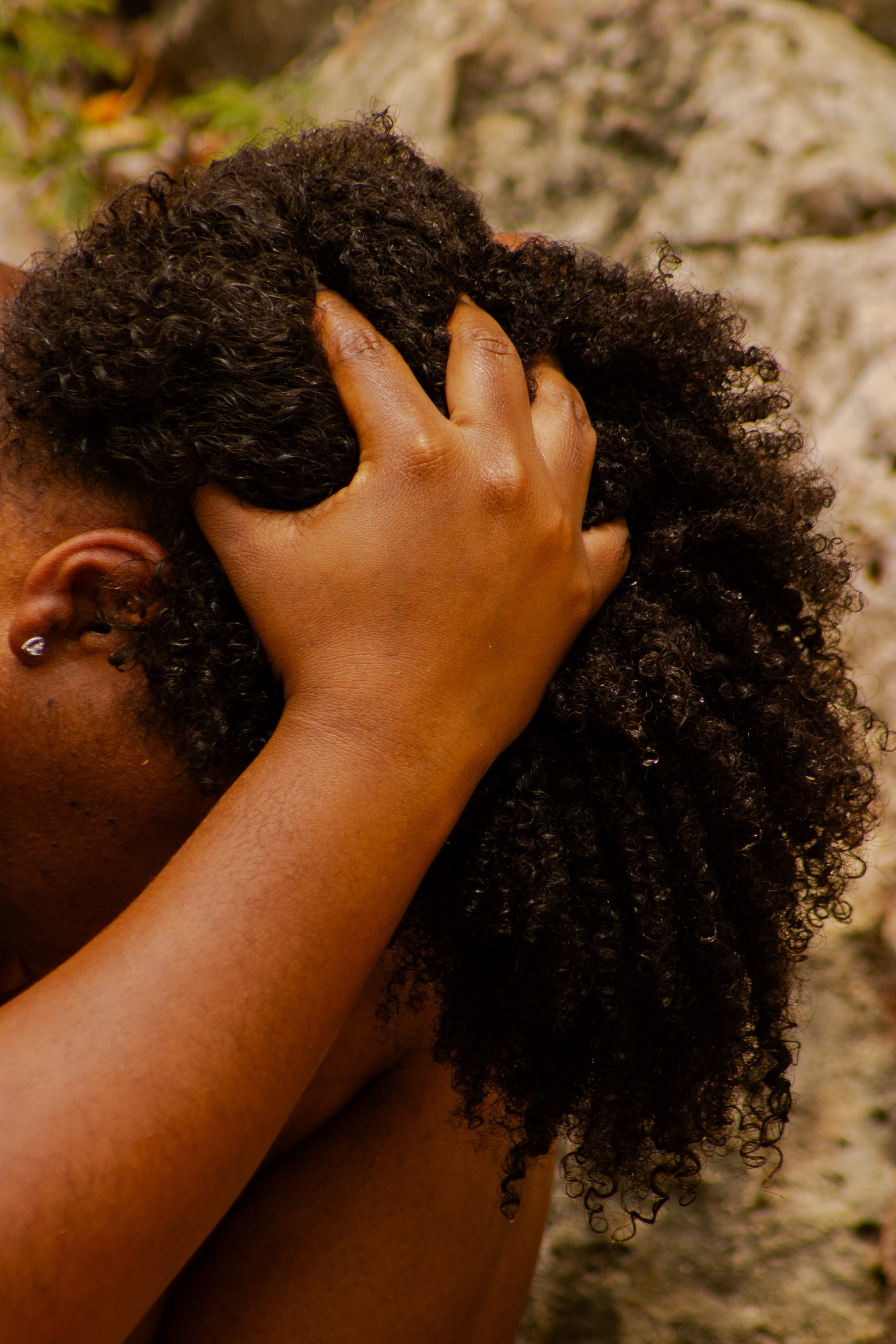
Photography by Aqueene Wilson

I can’t help but wonder what this experience is like for little girls. Because, if grown women cannot even see their own recoveries as an attainable future, what must it do to little girls? What messages are we sending them when their hair growth remains absent from the stories of resilience? How can they cope with their anxieties when their Black bodies are not represented in the images of healing? How do they know that remission is about coming home to a new body?
Nicole said it herself:
‘ I’ve had people approach me to talk little girls out of their cancer anxiety. They too were afraid that they would never be able to grow their hair back…or that it would never be the hair they loved before losing all of it’.
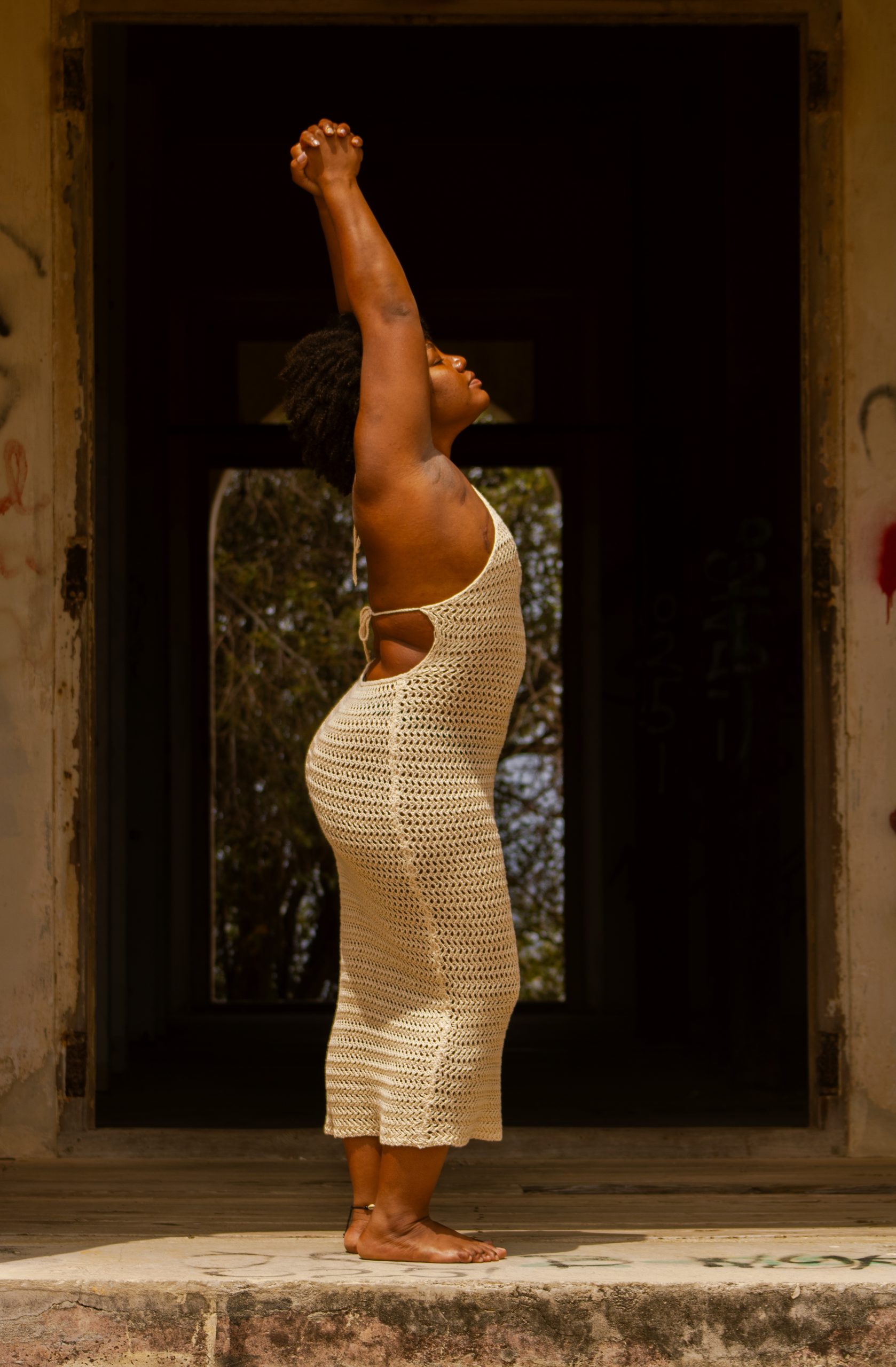
So these pictures of Nicole are far more than just documentations. They breathe life into her healing journey and that of others. They expand the tapestry of our wellbeing and serve as a powerful reminder that beauty, joy, rest, acceptance, softness, hope, self-love and a head full of healthy hair are indeed attainable for (Black) women. Because, despite the unexpected turns, ‘nobody suffers forever’.

And while images often tend to shift the narrative to what resilience, representation or remission may look like, I invite us all to find out what it actually feels like. What does authentic resilience do to our hearts? What does remission require from our bodies? How does the lack of representation keep us from what we truly need? – that is a shoulder to cry on; A safe space to just be; Moments to recharge; Reminders of what is possible; Compassion and understanding. Because when we are ready to claim this as the bigger picture, we finally get to build the emotional infrastructures to understand that the legacy of a woman is not her strength. It is essentially the sum of her life experiences, as messy as they come.
And with this in our minds, it only seems right to let Nicole conclude her own story in her own words as an ode to her own multifaceted self. So I ask her,’ how have you reclaimed your power? And she goes;
‘By realizing that I am Nicole. A cancer patient or cancer survivor is not my identity. I am and will always be the girl that loves dogs, cats, butterflies, flowers, plants, baking, kids, teaching, watching sunsets, drinking herbal infusions while the sun rises, swimming with my friends, learning new things and so on. I just happen to have had a very unfortunate health episode that scarred me deeply, but it didn’t get the best of me. Maybe I have never lost my power’.
The end (and probably also the beginning).
Join Our New Facebook Group for Empowerment and Connection
Prinses Wilhelmina Fonds, with its mission to offer guidance, hope, resources, and education to those affected by cancer, plays an important role in fostering connections within Curaçao. To further this goal, they launched a new Facebook group today called ‘Vrouwen, veerkracht & verbinding’, where women can come together.